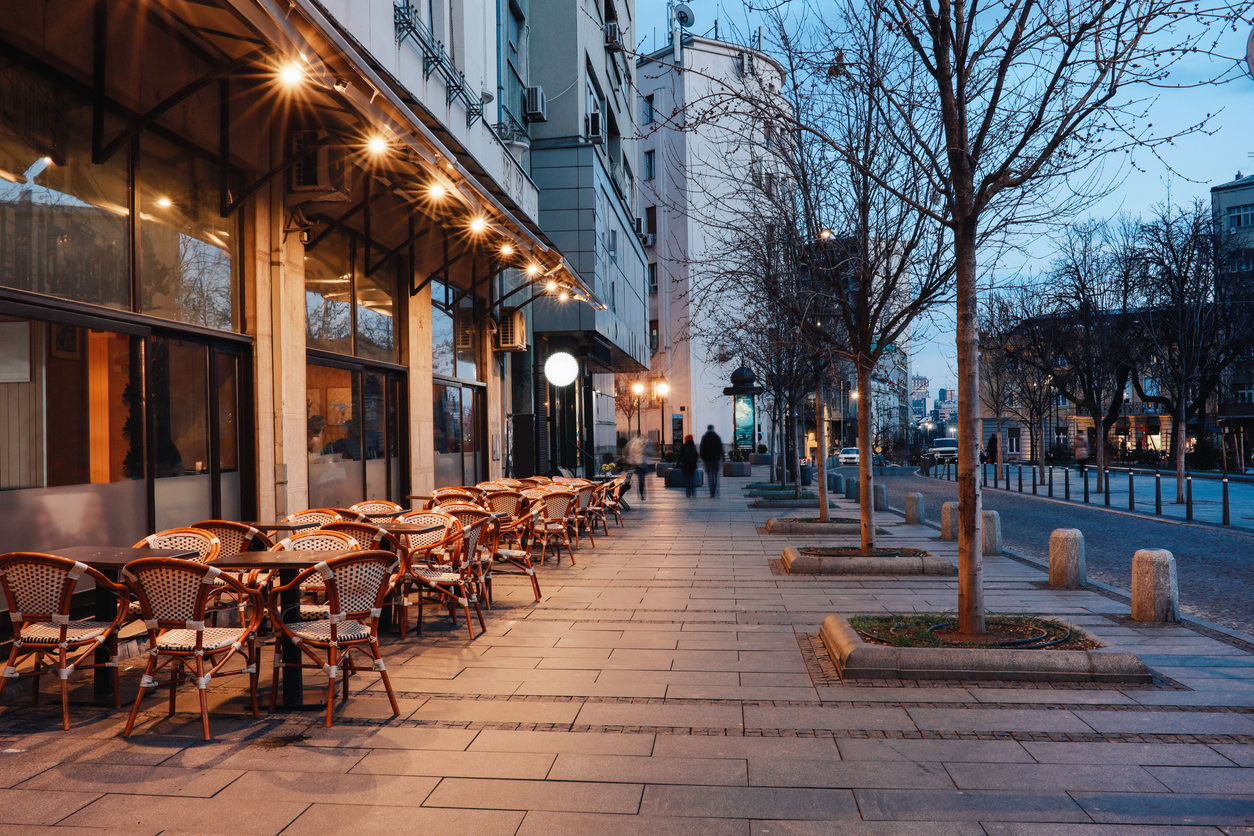
Rain hits your restaurant's front entrance and you think the sidewalk got cleaned. Water moved dirt around. That's not the same as removing grease baked into concrete for months. A customer pulling into your parking lot decides whether to enter before they touch the door. That decision starts with the sidewalk. If the first thing they see is a grimy, stained entry pad, they're already reconsidering. Restaurant entryways carry unique challenges differing dramatically from retail environments because of the nature of commercial food service operations.
Restaurant entryways have specific problems retail does not. Grease spills happen regularly. Someone drops a tray. Delivery trucks park on pads while unloading supplies. Customers walk through side entrances where kitchen staff take breaks and smoke. The front entry develops a sticky, slick layer that makes the first thing customers touch feel grimy and unsafe. This isn't just cosmetic. A slippery entrance is a genuine liability. Someone slips, falls, and your business faces injury claims with six-figure settlements. Beyond legal exposure, customers notice immediately. They feel tackiness underfoot and begin questioning cleanliness standards inside the kitchen. Studies in food service environments show 73% of customers encountering slippery or dirty entrance do not enter the establishment. They turn around and go to competitors.
A customer with slippery, stained sidewalk makes one decision: leave. Go elsewhere. Inside can be pristine, but their experience started outside and already failed. Research shows exterior cleanliness directly impacts customer willingness to enter a food establishment. Diners seeing dirty, neglected entrances assume the kitchen operates with the same standards they see outside. Whether this assumption is accurate doesn't matter—perception is set before the door even opens. For a restaurant doing $1 million annually, this means losing 5-10% of potential customers purely from poor exterior appearance. That's $50,000–$100,000 in annual lost revenue from neglect.
Professional-grade pressure washing at 3000+ PSI removes baked-on layers that surface cleaning cannot touch. Equipment matters critically. The difference between a home-use power washer rented from Home Depot versus commercial equipment equals the difference between a car wash and professional auto detailing. Home equipment lacks heating capability and pressure regulation needed for grease buildup. Hot water at 160-180 degrees Fahrenheit breaks down grease and oil that cold water cannot dissolve. The right nozzle angle prevents concrete damage while cleaning deeply into pores. Reclaimed water (not dumped into storm drains) handles regulatory compliance in most states and environmental protection areas. Temperature control matters significantly. Many municipalities now require water reclamation because improperly disposed wastewater contaminates stormwater systems with grease and food particles. Professional services bring this equipment as standard. Home pressure washer operators bring none of these capabilities.
Grease traps collect waste from food prep and cleaning operations. They're required by code in most jurisdictions nationwide. Backups or overflows send waste directly to entry pads, parking lots, or storm drains—where municipalities fine you thousands of dollars daily for violations. Code violations reach $5,000 per day in some jurisdictions, and repeated violations escalate penalties significantly. Professional cleaning services coordinate with your kitchen staff, clear accessible waste safely, and report what needs maintenance inside the building. They identify if the trap itself is failing or if pad drainage has become compromised. A quick rinse or casual pressure washing never solves these deep system problems.
High-traffic restaurants with outdoor seating need monthly entry cleaning, sometimes more depending on foot traffic volume. Fast-casual establishments with drive-through windows and heavy delivery traffic benefit from bi-weekly maintenance schedules. Seasonal restaurants should clean thoroughly before opening season and after closing for the year. The moment you see staining or slickness on concrete, you're two cleanings overdue already. Budget $300–$500 per cleaning depending on area size and grease buildup level. For a restaurant doing $1 million annually, investing $4,800 yearly in monthly entry maintenance is insurance against losing customers who never return. Compare this to the cost of 5-10% lost annual customer traffic. A single lost customer worth $50 in revenue covers multiple professional cleanings.
Walk your front entrance and back pad as if you're a customer arriving for the first time today. Does the surface feel clean? Does it look clean to your eye? Do you see any staining, discoloration, or slickness present? If yes, contact a commercial pressure washing service this week. Ask specifically about their grease removal process and equipment. Ensure they mention water reclamation compliance and can provide references from other restaurants in your area. Request before-and-after photography and documentation. This level of professionalism should be your baseline expectation.

.svg)
.svg)
.svg)


© 2025 Gleam. All rights reserved. · Privacy Policy · Terms of Service