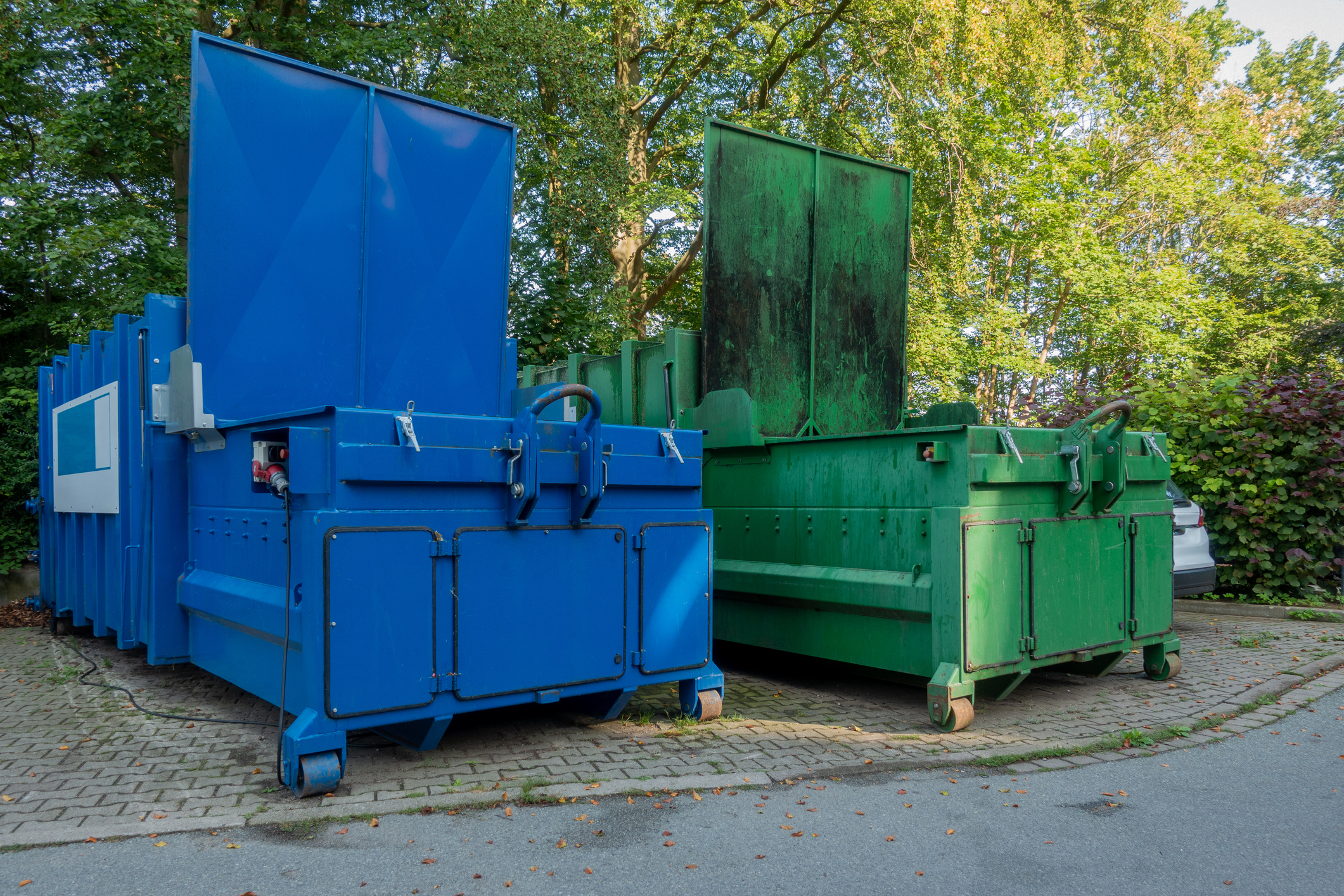
Compactors are liability. Dirty compactor is EPA fine waiting to happen. Cleaned compactor is investment in equipment longevity and regulatory peace of mind. Understanding compliance requirements prevents costly violations and protects property assets.
Grocery stores and restaurants generate solid waste going into compactors. Leakage from compactors is regulated waste. Organic matter, liquids, pest-attracting debris accumulating around compactor triggers EPA fines—$1,000-$5,000 per day in most states. California is stricter with fines starting $2,500 daily. Regulation is about preventing stormwater contamination, preventing pest infestation, preventing ground seepage into soil and groundwater. Violations accumulate quickly if not addressed.
Professional cleaning differs from equipment maintenance. Maintenance keeps compactor functioning. Cleaning removes accumulated waste and debris keeping site compliant. Both necessary. Professional cleaning involves lifting compactor and cleaning underneath, washing pad thoroughly, removing debris from chute, and cleaning interior if buildup severe. Water collected is disposed properly, not flushed into storm drain. Documentation matters—records show compliance.
High-volume facilities need quarterly cleaning minimum. Standard retail can manage semi-annual if equipment functions correctly. Biannual is minimum compliance frequency most inspectors expect. Cost is $400-$800 per cleaning depending on buildup severity. That is insurance against five-figure fines and equipment damage. Budget conservatively for compliance.
EPA inspectors look for visible waste, odor, pest evidence, and pad condition. Regular cleaning ensures facility passes inspection without violation. One unannounced inspection can result in $5,000 fine if pad is dirty. Prevention costs less than remediation. Maintain documentation showing maintenance schedule.
Schedule cleaning on maintenance calendar now. Do not wait for inspection notice or fine. Preventative cleaning is cheaper and protects against regulatory liability. Budget for at least semi-annual service depending on waste volume. Create documentation log of all cleanings performed.

.svg)
.svg)
.svg)


© 2025 Gleam. All rights reserved. · Privacy Policy · Terms of Service