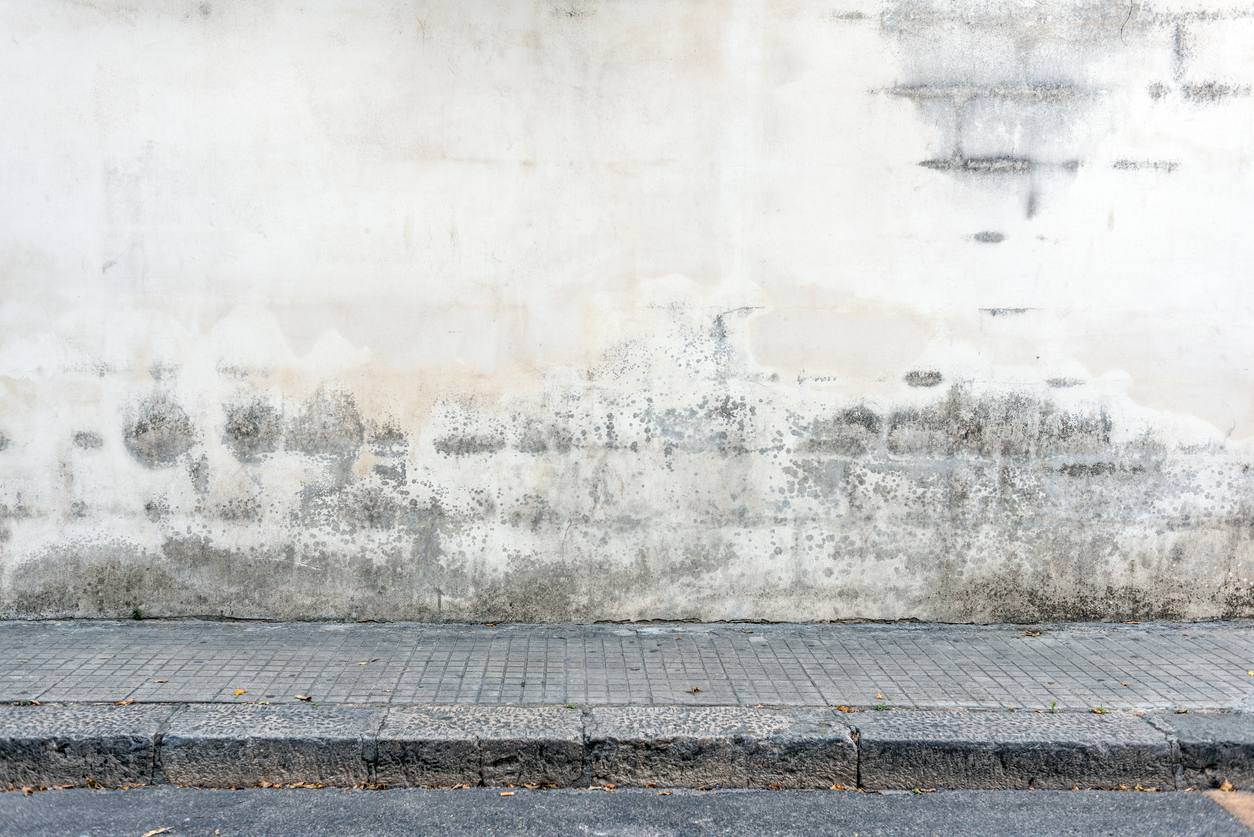
DFW climate is humid and hot. Summer temperatures exceed 95 degrees regularly. Morning humidity is high. This combination creates perfect environment for algae, mold, and biological growth on building surfaces. Buildings in DFW need more frequent cleaning than buildings in dry climates because environmental conditions accelerate deterioration.
DFW gets 30+ inches of rain annually. Humidity stays high March through October. Algae thrives in warm, moist environments. Buildings shaded by trees accumulate biological growth even faster. Staining starts within months of cleaning if conditions are right. Buildings in full sun areas do better but still require maintenance. DFW property managers report needing cleaning every 2-3 years instead of 4-5 years in drier climates.
Clean in late spring (May) before peak heat and humidity accelerate growth. Clean again in fall (October) before winter rain. This two-cleaning schedule maintains appearance and prevents severe buildup. Spring cleaning clears winter accumulation. Fall cleaning addresses summer growth before winter moisture worsens it.
Areas near trees accumulate organic debris and algae faster. Buildings east or north-facing (shaded) accumulate growth faster than south and west-facing. Areas near highways accumulate more pollution and dust. Industrial areas have different contamination requiring specialized treatment. Assessment of your specific building location determines optimal cleaning frequency.
Schedule spring and fall cleaning for your DFW building. Don't wait for visible heavy staining—it means you're overdue. Plan maintenance in May and October to stay ahead of DFW weather patterns. This prevents expensive deep cleaning and maintains building appearance year-round.

.svg)
.svg)
.svg)


© 2025 Gleam. All rights reserved. · Privacy Policy · Terms of Service