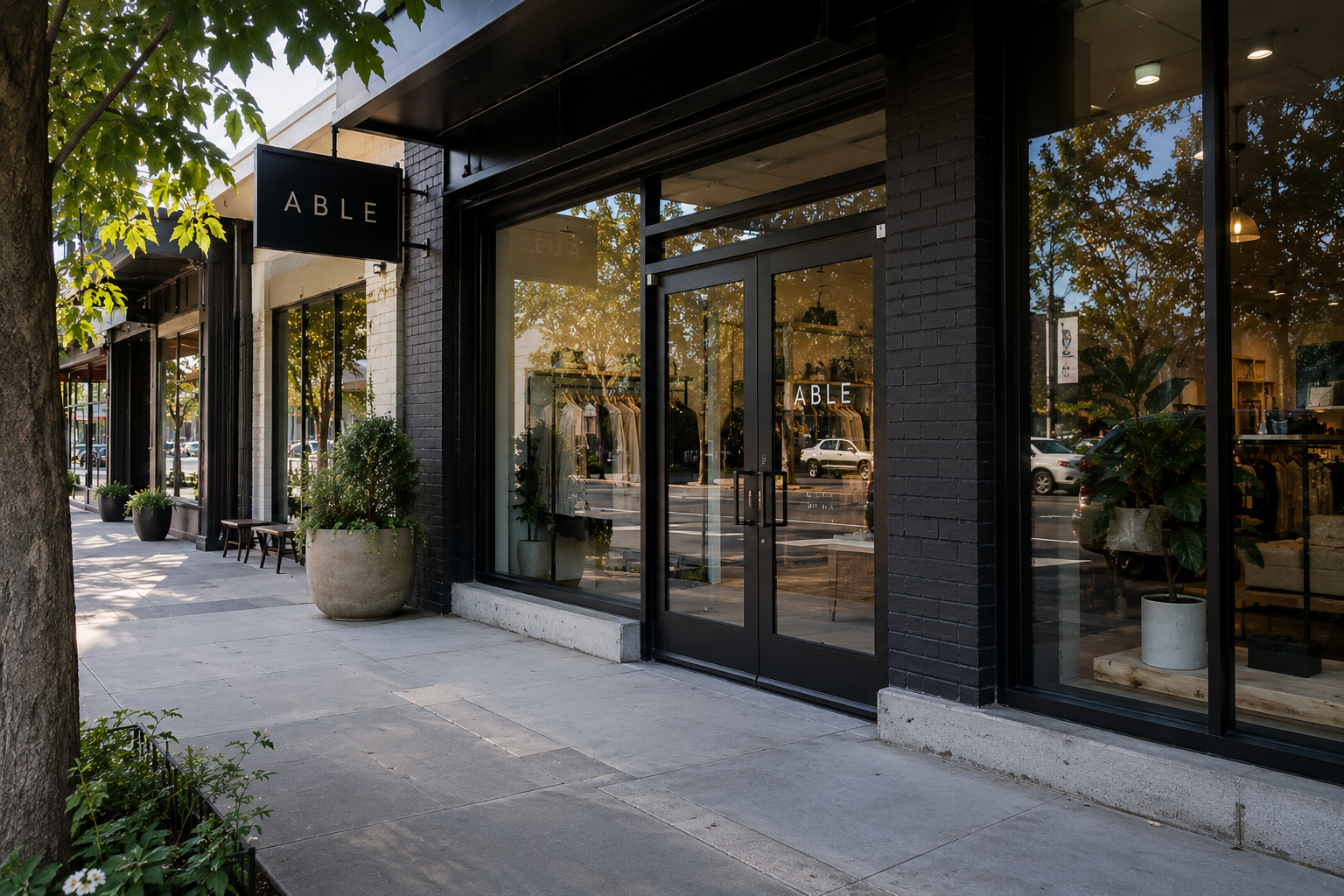
Retailers spend millions on interior displays, lighting, and layout. Then they let the sidewalk look neglected for months. The entrance is where customer experience begins. Dirty is where it ends. A shopper walking through a plaza makes split-second decisions about which stores to enter based on exterior visibility from the parking lot. That decision is 60% exterior, 40% interior presentation. This reality surprises most retail managers who focus exclusively on in-store experience without considering that customers make initial judgments before entering.
A 2024 Journal of Retailing study analyzed foot traffic patterns across 200+ retail locations and found that 60% of store entry decisions happen outside the building. Customers decide whether to enter based on what they see approaching. The study controlled for product quality, pricing, and brand recognition—the only variable was exterior cleanliness. Clean exterior signals maintained interior. Dirty exterior signals the opposite, regardless of what's actually inside. Research showed dirty storefronts experience 10–15% lower foot traffic than identical stores with maintained exteriors in the same plaza. For a $2 million annual revenue store, that's $200,000–$300,000 in lost sales annually, purely from exterior condition.
A Target with a clean entry sees higher conversion than an identical Target with stained concrete 200 feet away. The difference is not trivial. Retailers track foot traffic per square foot as their primary performance metric. A 10% reduction in foot traffic from dirty entrance is a 10% reduction in sales opportunity. For a $5 million annual revenue store, that's $500,000 in lost sales from exterior neglect alone. The ROI on professional cleaning? Entry cleaning costs $300–$600. That payment generates value in a single day if even one percent of passing traffic converts because of improved appearance. Within one month, the cleaning has paid for itself multiple times over.
Grocery stores and restaurants see the identical pattern. People walk past filthy storefronts because first impression says they will not enjoy going inside. Stained concrete, accumulated grime, litter, bird droppings—all communicate neglect and poor management. Shoppers translate exterior neglect into assumptions about product quality, shelf life, and cleanliness standards inside the store. They make assumptions about where food is prepared and how carefully produce is handled.
Major chains—Target, Albertsons, Kroger, Whole Foods—now treat entryways like interior spaces. Quarterly deep cleaning. Monthly spot maintenance. Even cheapest stores in weakest markets do this because they learned it moves traffic. It's not luxury—it's baseline maintenance for any serious retailer. Albertsons ran a test in 2023: half their locations got weekly entry cleaning, half got standard quarterly service. Weekly-cleaning locations showed 8% higher foot traffic within 60 days. Within 90 days, sales per square foot increased 5.2%. The frequency doesn't need to be expensive. Two cleanings annually (spring and fall) plus reactive maintenance is minimum. High-traffic locations benefit from monthly service. The investment pays for itself in converted customer visits within weeks, not months.
Schedule professional entry cleaning this week if your storefront hasn't been cleaned in past 60 days. Track foot traffic for two weeks after using your POS system or door counter. Most retailers see measurable increases within days. Document results and commit to quarterly maintenance at minimum. Calculate your foot traffic increase percentage and multiply by average transaction value. That number justifies the cleaning investment multiple times over and validates ongoing maintenance budgets.

.svg)
.svg)
.svg)


© 2025 Gleam. All rights reserved. · Privacy Policy · Terms of Service