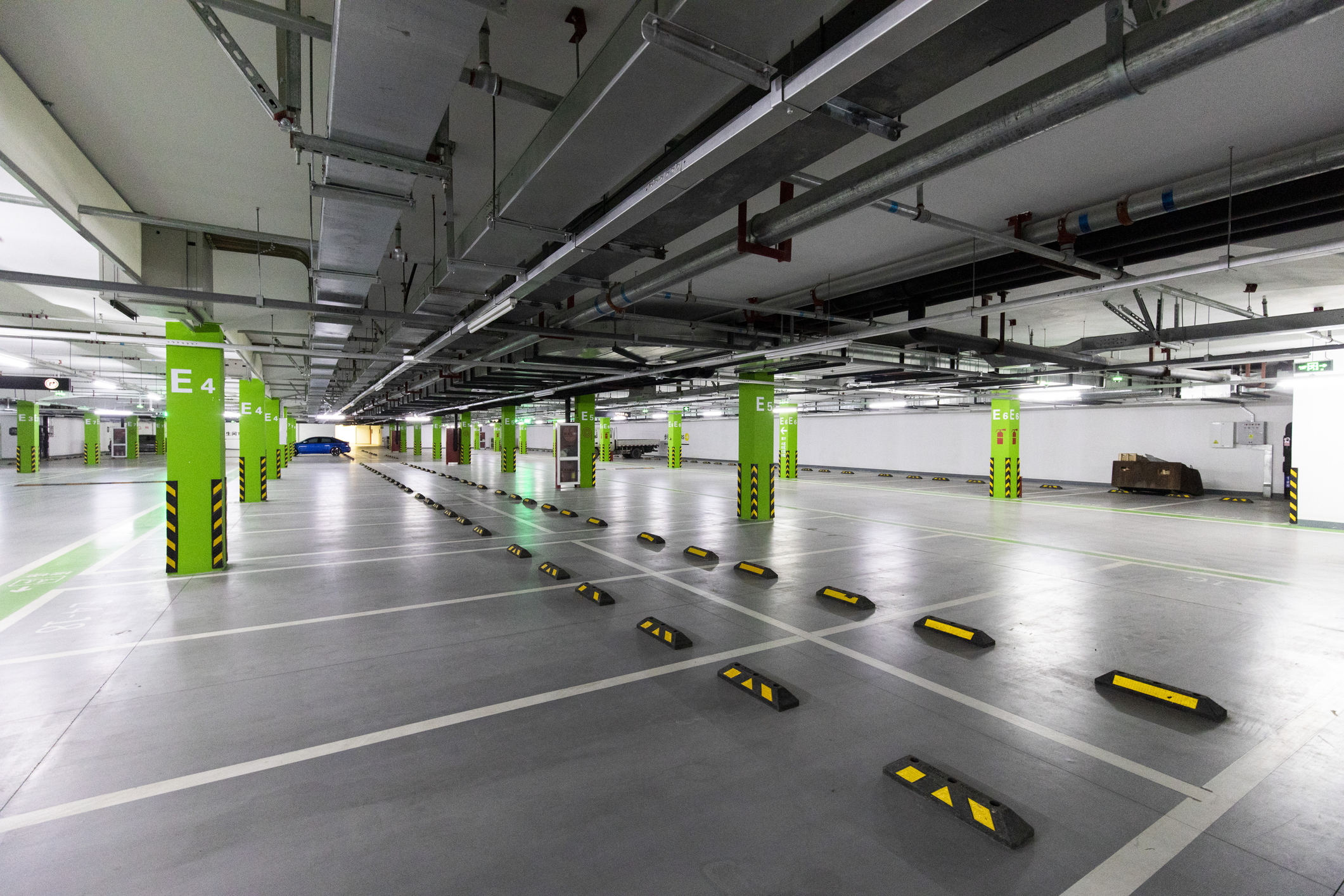
A garage smelling like urine and exhaust repels customers. Parking elsewhere becomes easier than entering smelly structure. Smell signals maintenance problem needing root treatment, not perfume masking. Understanding odor sources helps target solutions effectively and prevent recurrence.
Exhaust residue coats surfaces. Brake dust is heavy metal particles settling in cracks. Urine soaks into concrete and persists even after cleaning. Oil and fuel spills create permanent odor if untreated. Mildew grows in moisture-saturated concrete in enclosed spaces. Power washing alone doesn't remove odor—water moves smell around temporarily. The source is in concrete itself, not just surface.
Enzymatic treatment breaks down organic matter at molecular level. Bacterial cultures consume odor-causing compounds. Requires multiple applications and 24-48 hours between applications for enzymes to work. Chemical sealers coat concrete preventing future absorption. Urine and spills sit on surface and are easy to clean instead of soaking in. Without sealers, every spill adds to permanent odor. Ventilation matters too—garages need airflow to reduce odor accumulation.
Enzymatic treatment costs $500-$1,500 depending on garage size and severity. Sealing adds $300-$800. Results take time—don't expect instant elimination. Three applications over one week yields noticeable improvement. Complete elimination sometimes requires ongoing quarterly maintenance for severe cases. This is investment in customer experience and asset protection.
If garage has persistent odor, enzymatic treatment must happen first. Simple pressure washing won't work. Budget for multiple treatments and ongoing maintenance preventing recurrence. Consider ventilation improvements if air is stagnant.

.svg)
.svg)
.svg)


© 2025 Gleam. All rights reserved. · Privacy Policy · Terms of Service