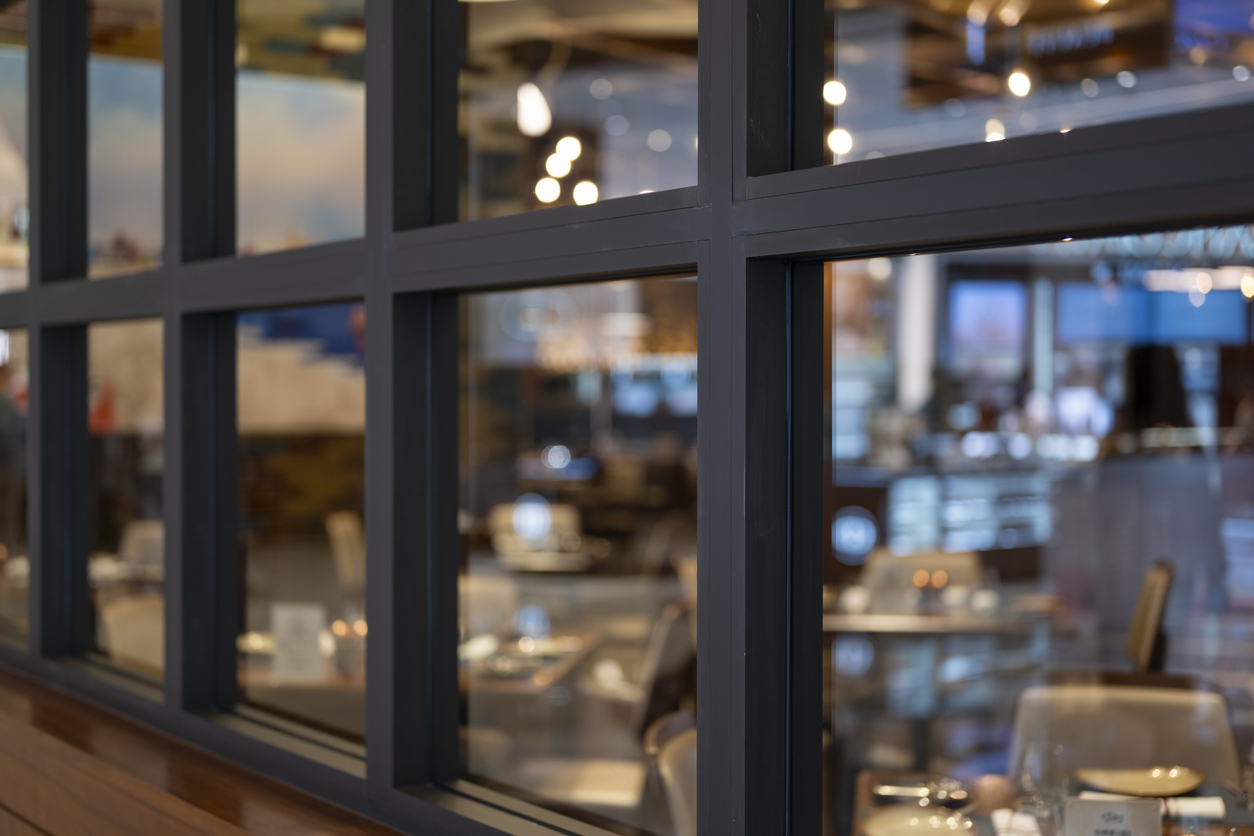
Restaurant windows are different from retail windows. Grease from cooking accumulates and builds up into permanent haze. Fingerprints from staff and customers layer on top. Dirty restaurant windows block view into kitchen and signal poor hygiene standards. Customers read greasy windows as dirty kitchen. This perception reduces sales significantly.
Grease doesn't come off with water and squeegee. Cooking oil bakes onto glass and becomes permanent if not treated with degreaser. Daily window wiping prevents buildup. Weekly professional cleaning removes accumulated grease and fingerprints. Monthly deep cleaning ensures windows stay crystal clear showing kitchen and food prep. Window clarity shows customers kitchen is clean and professional.
Customers want to see into the kitchen. Open kitchen visibility signals confidence in cleanliness and food safety. Greasy windows that block visibility create suspicion. Customers assume something is being hidden. Clean, clear windows show operation is professional and transparent. This builds trust and encourages dining.
Daily or twice-daily interior window wiping prevents fingerprint and dust buildup. Weekly professional exterior and interior cleaning removes grease with chemical treatment. Monthly deep clean with degreaser and polish keeps windows crystal. This schedule maintains appearance and shows customers kitchen is actively maintained.
Restaurant window cleaning costs $200-$500 monthly depending on window count. For restaurant doing $1M annually, this investment is 0.03% of revenue. Impact on sales from clean visible kitchen can be 5-10% foot traffic increase. ROI is obvious when calculated.
Schedule professional window cleaning weekly. Establish daily staff wiping protocol for interior windows. Include grease-removing chemical treatment in weekly cleaning. Monitor window clarity as part of daily opening inspections. Clean windows are part of food safety and customer confidence.

.svg)
.svg)
.svg)


© 2025 Gleam. All rights reserved. · Privacy Policy · Terms of Service